
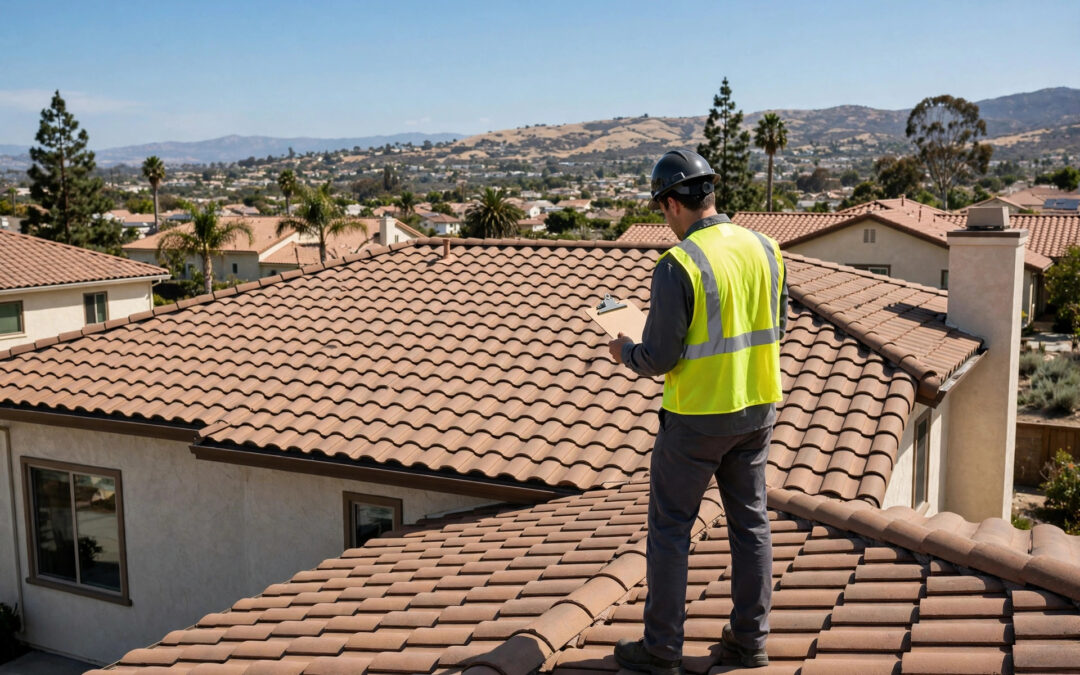
Few things slow an Anaheim home sale faster than a surprise on the roof. An inspection flags a concern, the lender or buyer asks questions, and escrow drags on while everyone waits for answers. A roof contingency — handled well — turns that unknown into a clear, documented step with a defined outcome. Here is practical guidance for Anaheim buyers, sellers, and their agents.
How Roof Contingencies Work in a Home Purchase
A contingency is simply a condition that must be satisfied for the deal to move forward. When a buyer, lender, or insurer has questions about the roof, a roof contingency typically says: get a qualified roof evaluation within a set number of days, and the parties will address the findings — repair, credit, or replacement — before escrow closes.
Contingency language varies by contract and agent practice. Your agent and escrow team handle the exact wording; the practical requirement is the same either way: an independent, professional assessment of the roof's condition, delivered in writing, on time.
This is where deals most often stall. A general home inspector may note visible concerns but stop short of a full roof assessment. The parties then trade guesses about what the note means — and nobody likes trading guesses with a closing date on the calendar.
What a Roof Certification Report Tells the Parties
A roof certification is an independent inspection performed by a certified roof inspector, documented in a formal report. It covers the roof covering, flashing, penetrations, and drainage, and states the findings plainly: what is serviceable, what needs attention, and what would need repair before the roof can be certified.
For everyone at the table, that written report is the missing piece. The buyer gets an honest condition assessment from a roof specialist, not a guess. The seller gets a defined scope instead of open-ended demands. The lender and insurer get professional documentation for their files. Our roof certification services in Anaheim are built around producing exactly this kind of report — thorough, plainly written, and delivered quickly enough to meet escrow timelines.
Common Findings in Anaheim Homes
Anaheim's housing stock is broad. Older ranch and bungalow homes sit alongside mid-century tracts and newer construction, so the roofs we evaluate span concrete and clay tile, composition shingle, and flat or low-slope systems. Findings vary widely — but a few patterns come up often:
- Aging underlayment beneath tile. Tile often looks fine from the street while the underlayment beneath has aged past its service life — one of the most common reasons a tile roof fails to certify.
- Worn or brittle composition shingles. Homes with shingles well into their service life frequently show granule loss, curling, or exposed fasteners — conditions that matter to insurers.
- Flat-roof ponding and membrane wear. Low-slope sections on otherwise sloped homes can hold standing water, accelerating membrane breakdown.
- Flashing and penetration issues. Vents, pipes, and skylight curbs are the usual entry points for water long before the field of the roof fails.
None of these automatically kills a deal. Each is simply information — and information keeps negotiations grounded in facts instead of fear.
How Certification Keeps Escrow Moving
The reason a roof certification is so effective inside a contingency period is that it replaces speculation with a documented answer. Here is how the timeline typically plays out:
- The contingency is triggered. A buyer's inspection, the appraiser, or the insurance carrier raises a roof concern.
- The certification inspection is scheduled. Our inspectors get on the roof and the report into the parties' hands well within a standard contingency window.
- The report defines the outcome. If the roof certifies, the contingency is satisfied and escrow proceeds. If it does not, the report identifies exactly what is required — so the parties can negotiate repairs, a credit, or a price adjustment against a specific scope.
Contrast that with weeks of back-and-forth over a one-line note in a general inspection report, with each side assuming the worst. Certification compresses the uncertain phase of the contingency into days.
When Repairs Are Needed — and What Happens Next
If the inspection finds conditions that prevent certification, the report becomes the repair roadmap. Some sellers have the work completed before closing; others negotiate a credit so the buyer addresses the items after taking ownership. Either way, both sides work from the same professional document instead of competing opinions.
After repairs are completed, a re-inspection confirms the work and the roof can be certified.
One practical tip for sellers: if you know your roof is aging, getting the certification before you list removes the issue from escrow entirely. A certified roof is a selling point, and it means no contingency-phase scramble.
A Note for Agents
Listing agents can use certification proactively — a pre-listing report answers the roof question before the buyer's inspector asks it. Buyer's agents can build the certification into the contingency plan from the start. In both cases, a certified inspector's written report carries more weight than a verbal assurance from anyone at the table.
If you are buying, selling, or representing a client in Anaheim, get the roof question answered by a certified inspector before it becomes a problem. Get Your Roof Certified provides independent NRCIA-certified roof inspections and certification reports across Anaheim and Orange County — professional, documented, and on time for escrow. Call us at 310.880.9718 to schedule your inspection.